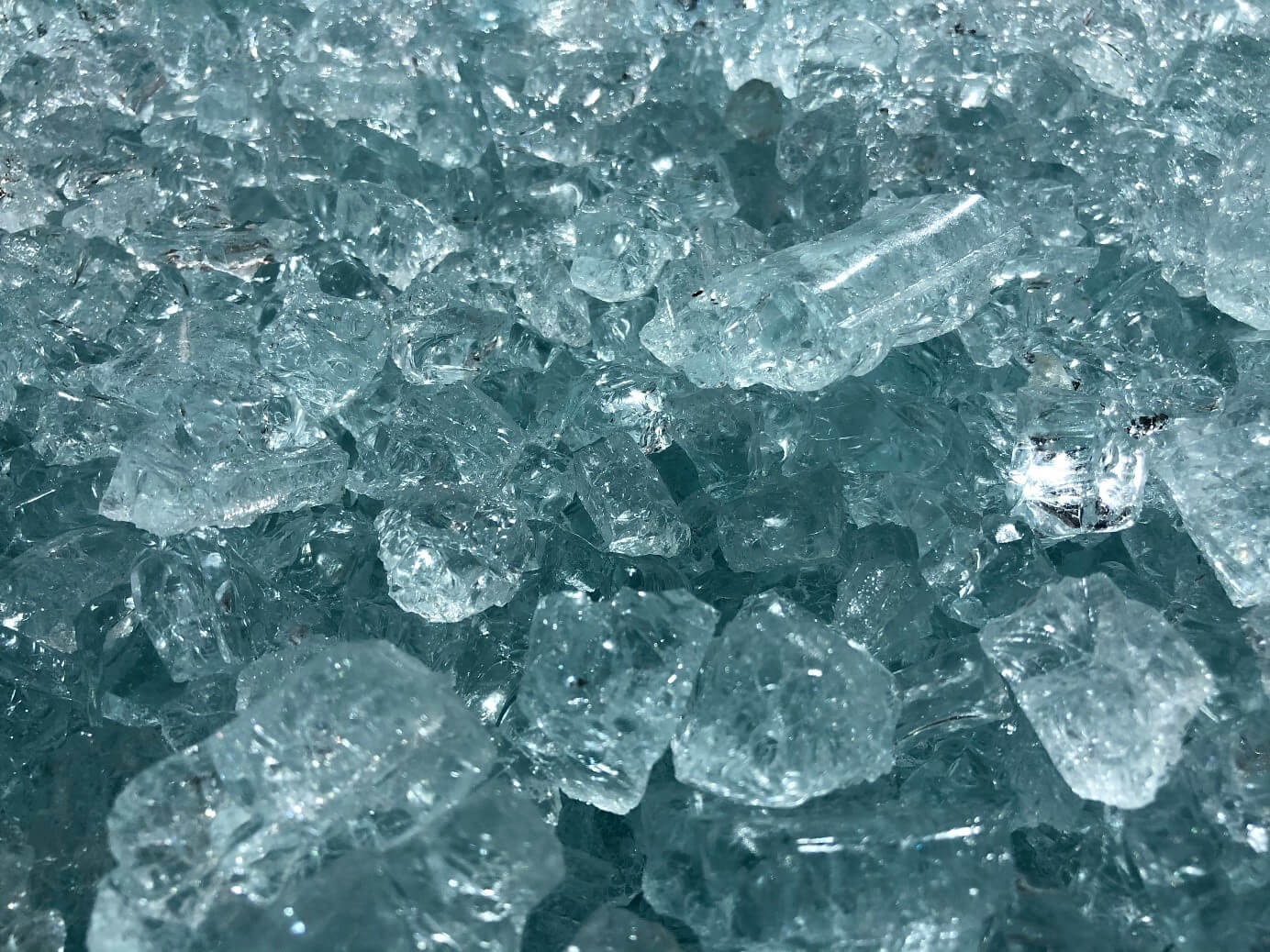
Sodium silicate, chemical formula Na₂(SiO₂)nO is a compound that is widely used in the industrial field. The most well-known form is sodium metasilicate and its chemical formula is Na₂SiO₃ in the form of water glass. Popularly known as water glass or liquid glass, this compound plays an important role in different industries. Silicates are widely used in the chemical and textile industries. Especially in sodium silicate and potassium silicateare the most preferred forms in industrial applications. While purer forms may be colorless or white in color, derivatives produced for commercial use are usually blue or green shades. However, physically it is usually colorless and clear.
Sodium Silicate Types
Sodium silicate is produced in different modules according to application areas and needs. The two most commonly used main modules are:
- 2 Modules Sodium Silicate: This type usually has a density in the range of 36 to 50 Bome and is used in various industrial applications.
- 3 Modules Sodium Silicate: This 38 to 40 Bome variety is also preferred in many different sectors, especially in finer operations.
Both modules are tailored to the needs of different application areas and are commercially marketed in liquid form.
Uses of Sodium Silicate
Sodium silicate has a wide range of uses. Due to its chemical properties, it has an important place in many industries. Areas of use can generally be listed as follows:
- Chemical Industry: Na₂(SiO₂)nOis used as a solvent and stabilizer in chemical reactions. It is an essential component in the production of many chemical products.
- Cement and Construction Industry: It is used as an additive that accelerates and strengthens the hardening process of cement mortar. It is also preferred to increase the durability of concrete structures.
- Textile Sector: It is used as a fixative in the production of clothing dyes and keeps the colors vivid for a long time. It also has anti-wear properties.
- Timber Processing Industry: To increase the durability of wood Na₂(SiO₂)nO processing is quite common. It also plays an active role in protecting wood against fire.
- Automotive Sector: It is used in the protection and maintenance of cooling systems in motor vehicles. It is also preferred as an effective solvent against rust.
- Refractor Machines: It plays an effective role in the protection and cleaning of machines resistant to high temperatures.
Usage Properties of Sodium Silicate
Sodium silicate is subject to different classifications depending on its crystal structure. When this substance is mixed with water Syrup similar physical properties. However, some types may not dissolve easily in water. In this case, high pressure may need to be applied to increase solubility. Usually having a clear and colorless structure Na₂(SiO₂)nOin various fields adhesive, binding, protective coating and rust remover used as a
Areas of use They are:
- In detergent production: Used to enhance the effective cleaning properties of detergents.
- Ceramic and pottery making: Used in ceramic production by stabilizing the structure of the sludge.
- In the production of fireproof paper: To make paper fire resistant Na₂(SiO₂)nO is processed with.
- Wood protection: Makes wood materials resistant to burning and provides protection against water.
- Cement and textile industry: Used for strengthening cement mortars, fixing textile dyes.
General Application Areas of Sodium Silicate
Sodium silicate is a versatile compound and is used in different applications in various industries. The main areas of application are as follows:
- Silica Gel Production: Used as a basic ingredient in the production of silica gel.
- Ink Dissolver: Acts as an effective solvent for the removal of inks and dyes.
- Ceramic Production: Improves the binding properties of ceramic raw material.
- Clothing Dyes: It makes textile dyes permanent and ensures that the colors do not fade for a long time.
- Mining: Plays an important role in the protection and cleaning of equipment used in mines.
- Hardening of Concrete: Strengthens cement mortars and increases the durability of concrete.
- Rust Remover: Widely used as a rust remover in cleaning products.
Harm of Sodium Silicate
Direct exposure to sodium silicate can cause various health problems. The side effects that can be experienced in such exposures are as follows:
- Skin Irritation: In direct contact with skin, irritation and burning may occur.
- Eye Damage: In case of contact with eyes, may cause serious eye irritation.
- Digestive System Disorders: May have adverse effects on the digestive system if swallowed.
In such cases, contact a health institution immediately. In case of eye contact, eyes should be washed with plenty of water for 15 minutes. If Na₂(SiO₂)nO If clothing is contaminated, it should not be reused without washing.
Storage Conditions of Sodium Silicate
It is important that sodium silicate is stored safely. This substance high temperatures and acidic materials should be kept away. Also sunlight direct contact with the dry, cool should be stored in environments. Under appropriate storage conditions, it can be used without deterioration.
Use of Sodium Silicate as a Rust Remover
Rust removers containing sodium silicate quickly and effectively remove rust from metal surfaces. These products are very practical to use and can be applied in two different ways:
- Application with Spray: Spray the solution onto the surface to be cleaned with a spray bottle. After waiting for a while, the surface is cleaned with clear water and wiped with a dry cloth.
- Immersion Method: Metal part to be cleaned, filled in a container Na₂(SiO₂)nO solution. After waiting for about 10 minutes, the piece is cleaned with clear water and dried.
Through these methods, metal surfaces are cleaned from rust and corrosion in a short time.