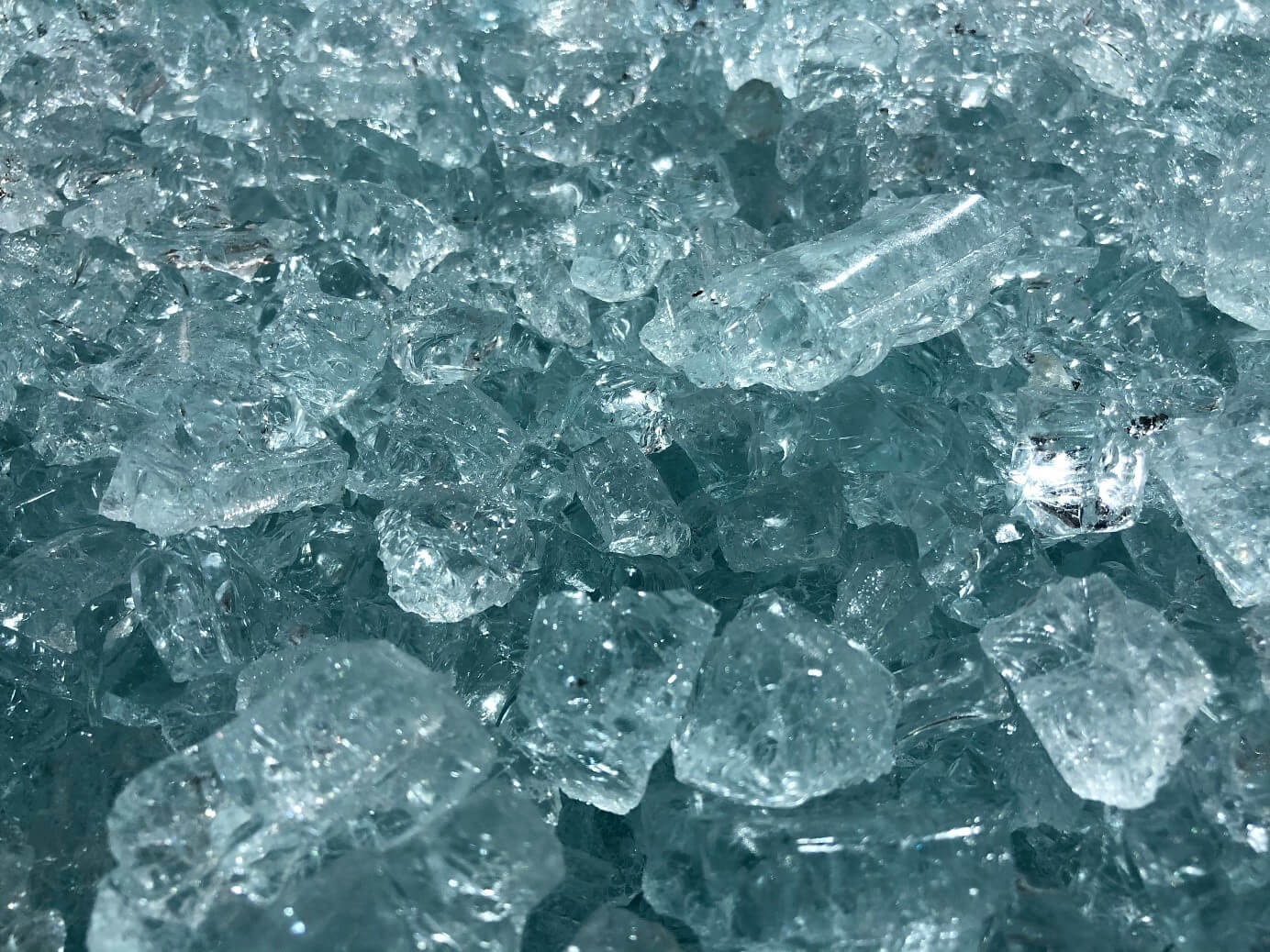


What are the Uses of Silicate Minerals?It is among the most abundant group of minerals on Earth, making up more than 90% of the Earth's crust. In this way, it is known to be used as raw material in many developed sectors. It has found a place in many formulas from cosmetics to stone and even cleaning chemicals. Thanks to its abundance, further research into its areas of use has come along with it. Understanding silicate minerals is important as they play an important role in both geological and biological processes.
Especially silicate minerals is most widely used in the construction industry. Here, it forms the raw materials of brick, quartz composite stone and ceramic products. It is the indispensable main product of industry and all kinds of industrial organizations. It is often preferred in areas close to the food sector such as agriculture in terms of improving the soil structure. It also contains trace amounts in fertilizer production. silicate minerals is added.
Silicate mineralsare used as materials resistant to high temperatures in geothermal energy systems. This is also important for their durable structure to be used in productive areas. These minerals are also often preferred in the formulas of cleaning materials. In laundry detergents, it helps to regulate the hard structure of water. It is an effective solution to foam more and remove dirt. With their versatile structure and properties, silicate minerals play an important role in both industrial and everyday life. Their areas of use are shaped according to the nature and properties of these minerals and spread over a wide range.
Uses of Silicate Minerals
- Glass Production
- Ceramics and Porcelain
- Concrete and Construction Materials
- Chemical Industry
- Metallurgy
- Jewelry and Ornaments
- Electronic and Optical Devices
- Agriculture and Soil Conditioners
- Paper Industry
- Oil and Natural Gas Industry
What are the Effects of Silicate Minerals on the Environment?
Silicate minerals Although minerals have many uses and benefits in many areas, their extraction and processing can cause different environmental impacts. These impacts can be particularly harmful to the environment. Environmental impacts can be considered as a whole by talking about both positive and negative impacts.
These minerals are formed through natural processes and have the potential to be regenerated through renewable geological processes. They are also considered as long-lasting materials that do not harm the nature due to their chemical structure. It is known that they are frequently used in environmental cleaning and rehabilitation projects due to their ability to absorb pollutants in water and soil. One of their most important impacts on the environment is their carbon sequestration capacity.
These minerals have been preferred in many areas, including treatment and disinfection processes. In order to prevent excessive energy consumption that affects the environment, they are used by preparing certain recipe ratios in insulation materials. This helps to reduce the carbon footprint by reducing energy emissions. It is known that they provide support in reducing the carbon footprint, which is the most important issue today and stipulated by new legal regulations. Another important and positive environmental impact is their use in mineral enrichment of soils.
Although there are advantages, i.e. positive impacts on the environment, a few negative impacts can also be mentioned. Silicate minerals Forests, agricultural areas and natural habitats may be damaged during extraction. They have a direct impact on the destruction or reduction of these areas. For this reason, environmental rehabilitation must be carried out at the extraction sites.
Chemicals used during mining and processing can pollute water resources. This is one of the negative impacts on the environment. Of course, the impacts can be minimized by taking maximum safety precautions during all these works. As a result of the studies, the area can be rehabilitated and the environment can be improved by treating the waste. One of the most important impacts to be mentioned here is silicate minerals The risk of silicosis is caused by aggregates known as quartz. The use of personal protective equipment is mandatory for mine workers as it can affect their lung function. In addition, the micron-level dust emitted has the potential to create adverse weather conditions.
What is the Chemical Structure of Silicate Minerals?
The basic building blocks of silicate minerals are silicon and oxygen. They are found in the Earth's crust in the form of unit cells and have a very broad chemical structure analysis. Chemically, their basic building blocks have a silica tetrahedral structure. The silicon atom uses and bonds with 4 oxygen atoms to make covalent bonds. This structure can remain as a single tetrahedral or it can bond with other tetrahedrons to form more complex structures.
In other words, the chemical structure of the mineral varies with the different bonding patterns and number of these atoms, whether multiple or single. Especially if this tetrahedral structure is found alone, it usually means olivine and garnet structure. These minerals are the raw material for many industrial sectors. If the structure increases to two, a mineral called epidote is formed. If the number goes 3, 4 and 6, it is called a ringed silicate mineral is called. It refers to larger chemical structures.
Iron, aluminum, magnesium, calcium, sodium and potassium can also be included in these structures. All of these cations give the mineral different physical properties. This changes their usability in industry. With their excellent chemical compatibility and superior success in engineering applications, their workability increases. For example, these structures can be used in cleaning chemicals and are preferred as raw materials in the composite stone industry and even in the ceramic industry. They play an active role in obtaining high value-added products with their superior strength and increased resistance to scratches. In addition, the physical properties of each mineral can vary and this makes their usage areas very wide.
How are silicate minerals formed?
Silicate mineralsare categorized according to their composition and structure. Silicate minerals are formed around a molecular ion called silicon-oxygen tetrahedral. Silicate minerals are a material that occurs on the earth's surface and has the potential to be renewable. Being constantly renewable also prevents the mineral resource from being depleted. Most of the approximately four thousand minerals known on Earth are rare. There are only a few that make up most of the rocks that surface dwellers like us are likely to encounter. These are often called rock-forming minerals.
Silicate minerals Formation usually starts and develops with the progression of magmatic processes. During cooling and solidification of the magma layer, minerals crystallize to form unit cells. Metamorphism during high temperature and pressure can cause these minerals to recrystallize. Some silicate minerals can dissolve during chemical and physical abrasion processes on the surface to form new minerals. Different types of silicate minerals, During chemical and physical abrasion processes on the surface, it can dissolve to form new minerals. Quartz, for example, is one of the most resistant minerals to dissolution and is found in sedimentary materials such as sand. Hydrothermal fluids, when rich in silica, can precipitate various minerals to form quartz veins or other silicate minerals. Atmospheric oxygen and water can cause chemical reactions on the surface of silicate minerals
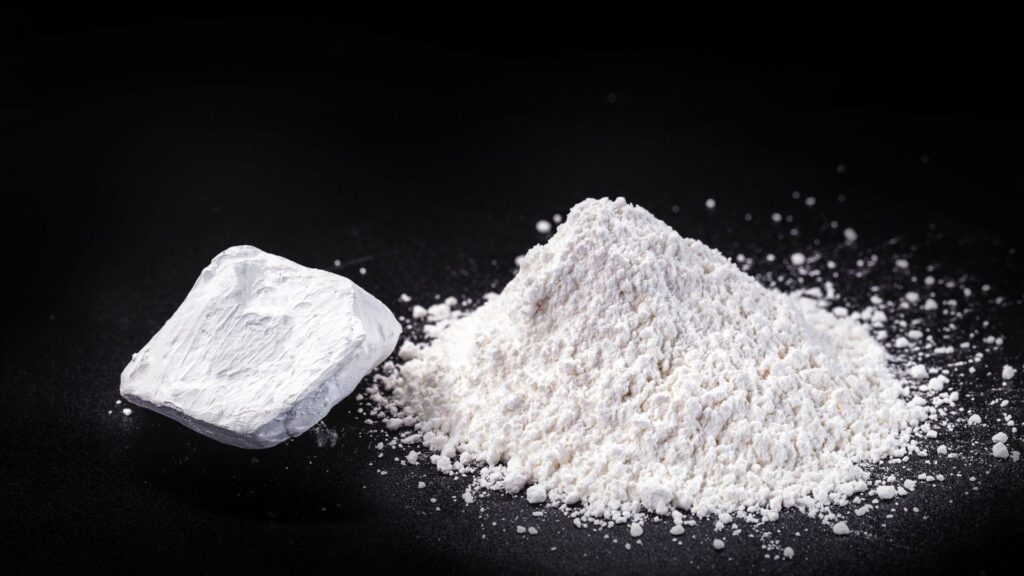
The formation of silicate minerals occurs through a wide variety of geological processes, such as magma-induced crystallization, metamorphic processes, chemical weathering and hydrothermal influences. These processes directly affect the chemical composition, physical properties and distribution of minerals. Thanks to this wide variety of occurrences of silicate, it plays a vital role on the Earth's surface and in its depths. Silicates, which can be used in every field and are indispensable raw materials for industrial applications with their wide use, can be diversified with different formation stages. Especially considering their advantages and disadvantages, their use is becoming more and more widespread.